
For me, the 1940s belong to National Allied Publications (better known as DC Comics) solely because of Batman, Superman, Wonder Woman, and what would become prototypes for the DC stable, the Justice Society. Timely Comics (Marvel of the Golden Age) didn't have much great work beyond Namor, The Human Torch, and Captain America. The Captain America stories by Simon/Kirby are their greatest triumph, but reading them today, they get repetitive beyond the first few stories. Unlike the best Golden Age DC stories, the Timely books don't really compare. Sure, Timely had some interesting sci-fi concepts, but books like Batman, Superman, The Spectre, and Sandman were much better written. But outside the books, both companies started branding in other media. Superman and Batman got movie serials. Captain America got a serial. There were radio shows, toys, the Fleischer Superman cartoons, all kinds of merchandise. Superheroes exploded in pop culture and were everywhere.

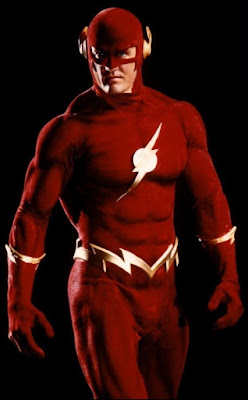
Clearly the best publisher of the 50's was infamous publisher, EC Comics, but Atlas (as Marvel was known by the 50's) had some interesting non-superhero books compared to National, and given that all National/DC had was the Trinity for the first half of the decade (given that most superheroes had died out), I would love to give the 1950's to Atlas for the Return of The Human Torch and several good sci-fi/horror titles like Astonishing in the pre-code era. However, Julius Schwartz brought in Barry Allen as The Flash and the Silver Age began. It was the revival of superheroes, with a new Green Lantern, Hawkman, and The Atom. On top of that, DC editor, Whitney Elsworth, helped introduce The Adventures of Superman on TV, so National/DC wins for me.

The 60's goes to Marvel... for obvious reasons (the Marvel Age). The Lee/Kirby Fantastic Four run is still enjoyed decades later. Same with Lee/Ditko/Romita Spider-man. Even though National started to get better at the edge of the decade, their output during the 60's is not as fondly remembered as Marvel. There was still some great stuff. The New Look era of Batman debuted under the pen of Carmine Infantino. The Flash had some great stories too. Gardner Fox did some of his best work at DC during this decade, writing everything from Hawkman, Batman, The Flash, and The Atom. The Batman TV show debuted in '66 and became one of Batman's greatest legacies.

I think the 70's is a close race. This is the era where DC became DC. Jenette Kahn came in (the best thing to ever happen to DC at the executive level). Titles like Swamp Thing, the cementing of Batman as "The Dark Knight Detective", Green Lantern/Green Arrow all helped comics mature. Characters like The Spectre got modern updates, and Jonah Hex debuted. There was also the DC Implosion, where several shortfalls in sales led to a huge cancellation of several titles. On the plus side, DC jumped into TV and film with the Super Friends cartoon, the Lynda Carter Wonder Woman show, the live-action Shazam! show, and Superman: The Movie. Jack Kirby left Marvel for DC and introduced The New Gods. It really makes me wanna give it to DC but... Marvel's Spider-man began to evolve into what he is today. The Death of Gwen Stacy storyline ended The Silver Age and introduced The Bronze Age of comics. The Fantastic Four had several decent runs. David Michelinie and Bob Layton's defining run on Iron Man began here. This is also where Chris Claremont's Uncanny X-men started. 70's Marvel unleashed all of their monster books: Ghost Rider, Man-Thing, Morbius, The Living Vampire. Even Blade first appeared in Gerry Conway/Marv Wolfman's Tomb of Dracula... On TV, The Incredible Hulk show is remembered by a certain generation, and there was even a poorly received Spider-man TV series. I'll call this decade a draw.

The 80's is quite difficult for me too judge here, because it's my favorite decade of comics. Marvel has their trifecta... John Byrne on Fantastic Four, Walt Simonson on Thor, Frank Miller on Daredevil... Apart from that, Roger Stern (known as Uncle Rog to 80's Marvel fans) unleashed his masterpiece of a run on the various Spider-man titles. Comics got darker and more sophisticated in general around the time Frank Castle (The Punisher) got his own series. This was the era of black-suited Spider-man and Venom debuted in the David Michelinie/Todd McFarlane run of Amazing Spider-man as well. 1987 saw Peter David begin his fan-favorite run on The Incredible Hulk. Mark Gruenwald began his decade long run on Captain America. At DC, New Teen Titans by Marv Wolfman and George Perez became one of the top sellers in the industry. Saga of the Swamp Thing by Alan Moore, Steve Bisette, and John Totleben debuted. The Crisis happened and DC rebooted their universe with memorable runs by John Byrne on Superman and George Perez on Wonder Woman. DC cemented the beginning of comics' grim and gritty era with the most famous stories of the 1980's: The Dark Knight Returns (DKR) and Watchmen. To cap off the 80's, Warner Bros. released Tim Burton's Batman movie. It's another draw.


The 2000's is where Marvel's dominance begins. The comics got a lot better and the movies began to dominate. 2000's X-men owed almost everything to the 90's cartoon that catapulted the X-men into public consciousness. Of course, the Raimi Spider-man trilogy, the MCU, and the Spiderverse movie are all anybody really talks about from the Marvel of the last 20 years, but comics geeks know that Marvel has unleashed several great comics. Jeph Loeb and Tim Sale's "color books" and the Ultimate line of comics, the Civil War event, Brubaker's Captain America, and Mark Waid's Daredevil are great examples of how Marvel bounced back.
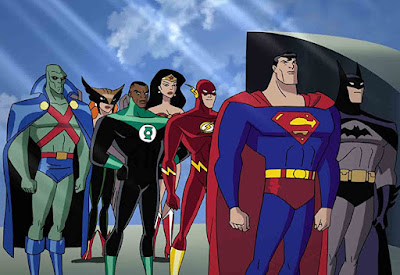
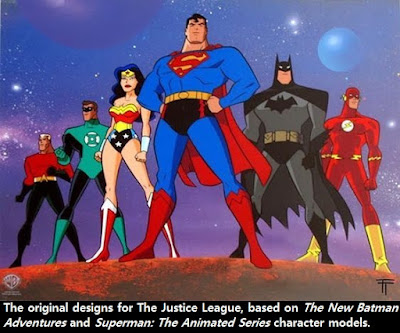
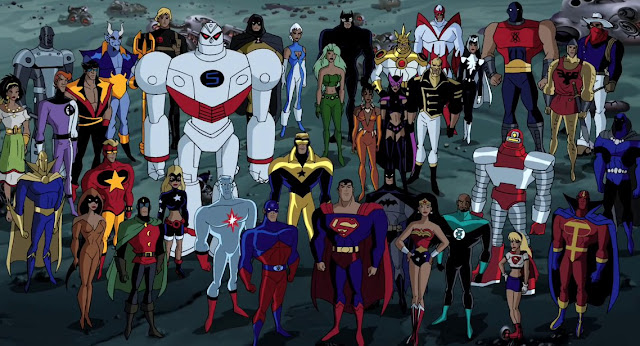
Over at DC, their publishing side brought us Darwyn Cooke's New Frontier, All-Star Superman by Grant Morrison, and other gems that will stand the test of time. The DCAU continued with another masterpiece, the Justice League cartoon. The Nolan Batman movies were, overall, another feather in DC's cap. They finally filmed Watchmen, released in 2008, after decades of trying to film "the unfilmable graphic novel." It's a great film, but not a great adaptation. Perhaps DC's best and most consistent writer in this century has probably been Geoff Johns. He led a lot of DC's events (including another Crisis) and gave solid runs on The Flash and Green Lantern. As fun as a lot of the DC books and other media have been, I think when Jenette Kahn retired in 2002, DC lost a lot of footing. Paul Levitz was the next best thing for a replacement, the ultimate fanboy turned executive. Eventually, he stepped down and we got Dan DiDio. It was under DiDio that DC began to fall from grace. He hasn't been terrible, per se. He just didn't take the company to its previous heights. He did eventually unleash The New 52 to very mixed results. That got rebooted into Rebirth and somewhere between those two events, the DC Extended Universe, helmed by Zack Snyder, became a thing. Man of Steel (2013) is a fun film. Wonder Woman is the jewel in DC's movie crown. It's a masterpiece and the best DC film, in my opinion, behind Donner's 1978 Superman. The other pieces of the DCEU haven't been great, not bad... but not great. 2019's Joker is another story... not part of the DCEU, but a standalone character study. This film is absolutely incredible. It's not faithful to The Joker at all, but as a film, it shows that a comic book movie doesn't have to follow any formula. The 2000's goes to DC for its cartoons and Batman films. The 2010's are easily a Marvel win.
So, who wins? Who's been more influential on the culture? There can't really be an answer. They've both done great things for pop culture. They both have had major ups and downs. They've both offered incredible stories across all media. One is an unstoppable force. The other is the immovable object. They are eternal rivals, destined to clash forever like the great superheroes and villains that fans read about.